
Driveways Need More Than Gravel to Last
Culvert Installation & Pipe Work in Central Pennsylvania for driveway washouts, blocked drainage ditches, and access road flooding during storms
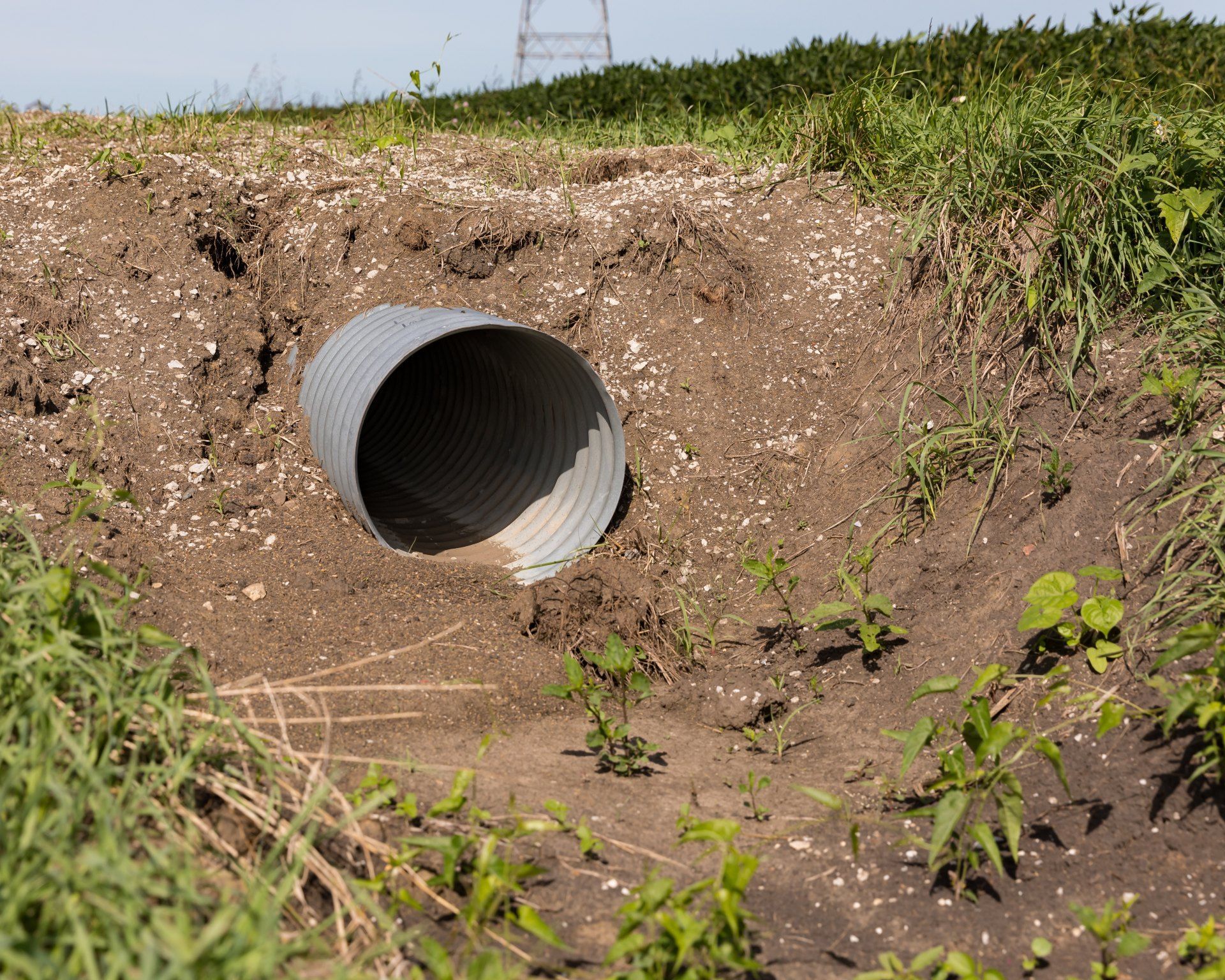
Deiblers Gap Excavating installs driveway culverts and cross-pipes in Elizabethville and surrounding areas for property owners who need water to pass beneath their access roads without washing out gravel, eroding soil, or creating impassable ruts. You see the problem after heavy rain—water cuts across the driveway, gravel scatters into the ditch, and the roadbed sinks where flow undermines the base. Without a culvert, every storm sets you back.
The work involves excavating beneath the driveway or farm lane, placing pipe sized to handle peak flow, and backfilling with compacted material that supports vehicle traffic while allowing water to pass through the culvert. Culverts maintain natural drainage patterns and prevent water from pooling on one side of the road while the other side stays dry. We install them where driveways cross ditches, streams, or low areas that carry runoff from uphill terrain.
If you are planning a new driveway or repairing an access road that washes out regularly, schedule a site visit to determine the right pipe size and placement for long-term performance.
What Proper Pipe Placement Does for Your Driveway
You will notice the road stays level and stable after storms. Water flows beneath the surface instead of over it, gravel stays in place, and the driveway base remains solid where vehicles cross. Culvert installation requires digging deep enough to set the pipe at the correct grade, matching the natural slope of the ditch or drainage channel. We use corrugated metal or plastic pipe depending on load requirements and site conditions, then backfill with crushed stone and soil compacted in layers.
After installation, Deiblers Gap Excavating grades the driveway surface to direct runoff toward the pipe inlet and outlet. You will see defined edges where the road meets the shoulder, and no more erosion channels cutting through the travel lane. The culvert also protects downstream areas by maintaining steady flow instead of releasing surges of backed-up water all at once.
Pipe sizing depends on the volume of water the drainage area delivers and how much the land slopes. Undersized culverts clog with debris or overflow during peak flow. Oversized culverts add unnecessary cost without improving performance. We match pipe diameter and length to your site conditions, and we ensure both ends of the culvert are properly secured to prevent washout at the inlet or outlet. This work does not include paving or long-term driveway maintenance, but it does eliminate the most common cause of roadbed failure.
Questions Property Owners Ask Before Culvert Installation
The answers below cover materials, sizing, and what happens once the pipe is in place.
What causes a driveway to wash out even when gravel is added regularly?
Without a culvert, water flows over the roadbed instead of beneath it, and repeated flow removes base material faster than you can replace it.
How do you determine the right pipe size for a driveway culvert?
We measure the drainage area that feeds the crossing, estimate peak flow during heavy rain, and size the pipe to handle that volume without backing up or overtopping the road.
When should a culvert be replaced instead of repaired?
If the pipe is crushed, rusted through, or too small to handle current flow, replacement is more reliable than temporary fixes that may fail again within a season.
Why does backfill matter as much as the pipe itself?
Proper compaction around the pipe prevents settling and keeps the roadbed stable under vehicle weight, while poorly compacted fill creates dips and weak spots.
How long does a culvert installation take in Elizabethville?
Most residential driveway culverts are completed in one to two days, depending on pipe length, soil conditions, and how much grading is needed to restore the road surface.
Deiblers Gap Excavating serves rural homeowners, farm operators, and contractors throughout the region who need reliable culvert installation that keeps access roads functional year-round. If your driveway floods or washes out after storms, contact us to review your site and discuss pipe options.