
Good Ponds Start Below the Waterline
Pond Excavation & Land Improvement in Gratz for livestock water access, stormwater retention, and reshaping terrain for better land use
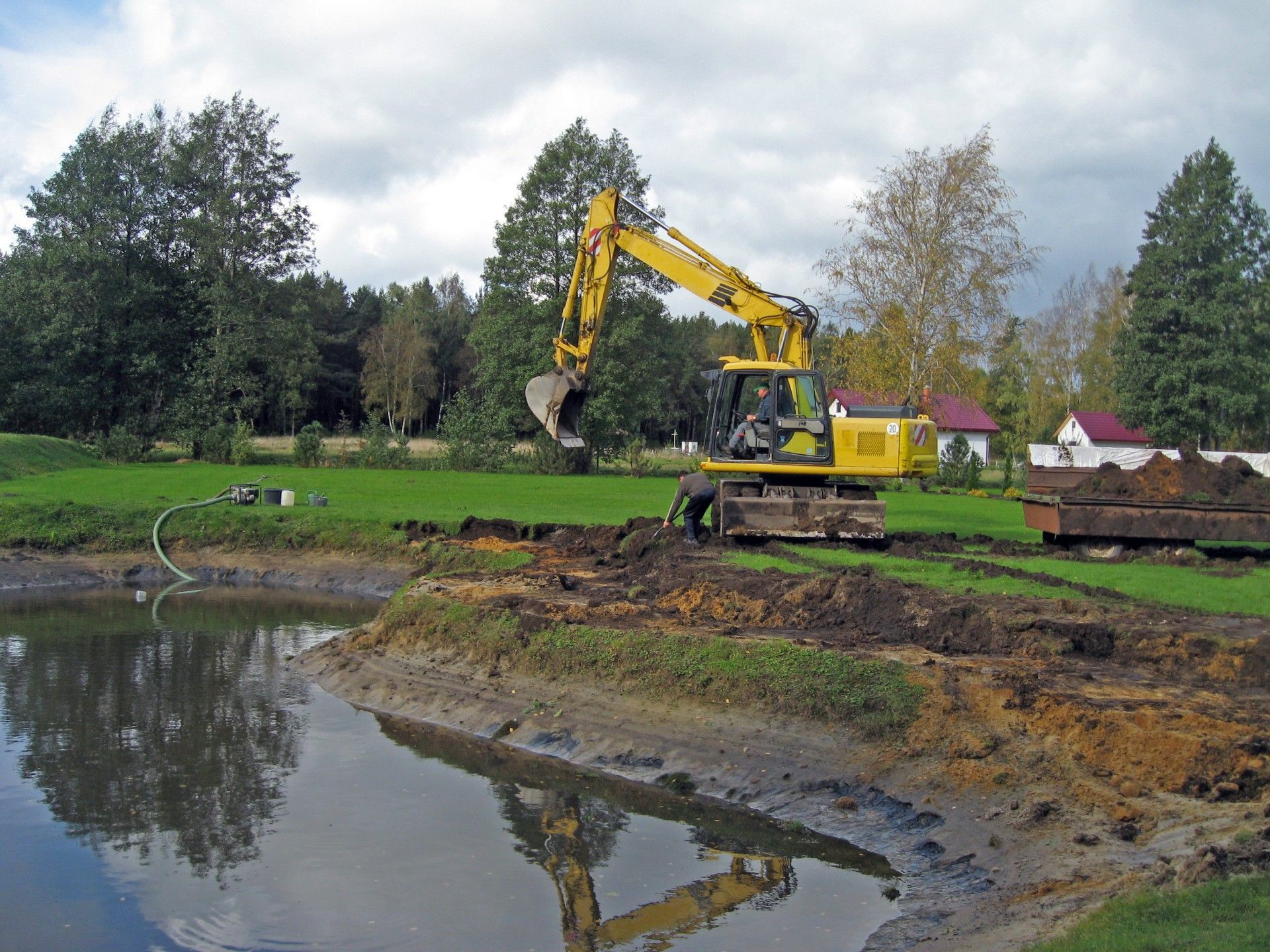
Deiblers Gap Excavating excavates farm ponds, retention basins, and land improvement projects in Gratz and surrounding areas for property owners who need functional water sources, improved drainage capacity, or reshaped terrain that supports agricultural or residential goals. You need a pond when livestock require reliable water, when stormwater runoff needs a controlled collection point, or when reshaping land creates usable space where slopes or wet areas currently limit what you can do.
The work involves excavating soil to the planned depth and shape, grading slopes to prevent erosion and bank failure, and managing spoil material by spreading it on-site or using it to fill low areas. Ponds are shaped to hold water without leaking, with banks stable enough to support vegetation and wildlife. We excavate ponds where natural drainage feeds them or where groundwater seepage provides a steady source. Land improvement projects reshape terrain to make fields more workable, redirect surface flow, or prepare sites for future development.
If you are considering a pond or land reshaping project, discuss excavation options with us to review site conditions, water availability, and design goals.
What Proper Excavation Does for Your Land
You will see a functional pond that holds water, supports wildlife, and serves its intended purpose. Banks slope gradually enough to resist erosion but steeply enough to maximize depth without wasting space. The bottom is shaped to allow water to collect in the deepest area, and the surrounding land is graded to direct runoff into the pond or away from areas where standing water is not wanted. We use excavation equipment to reach the depth needed for year-round water or seasonal retention, and we shape the pond to fit the natural contours of your property.
After excavation, Deiblers Gap Excavating grades the perimeter and spreads excess soil where it improves drainage or fills in low spots. You will notice smoother terrain around the pond, better access for livestock or maintenance, and no piles of spoil left to erode or wash into the water. Land improvement projects often include leveling fields, filling gullies, or regrading slopes to make the property more usable for farming, building, or recreation.
Pond size and depth depend on how much water your land receives, how you plan to use the pond, and what the soil can support. Clay soils hold water better than sandy or rocky ground. We excavate carefully to maintain stable slopes and avoid over-digging that wastes effort or creates maintenance problems later. This work does not include pond stocking, landscaping, or water testing, but it does prepare the site for those steps.
Questions Property Owners Ask Before Pond Excavation
The answers below address planning, site suitability, and what happens once the pond is dug.
What determines whether your property can support a pond that holds water year-round?
You need adequate rainfall, groundwater seepage, or runoff to fill the pond, along with soil that resists leakage, and a site evaluation helps confirm both conditions.
How deep should a farm pond be to provide reliable livestock water?
Most ponds are excavated to at least eight feet at the deepest point to ensure water remains during dry months and to prevent freezing solid in winter.
When should pond excavation be scheduled during the year?
Late summer and fall are often ideal in Gratz because soil is drier and easier to work, and the pond has time to fill naturally with winter and spring precipitation.
Why does bank slope matter as much as pond depth?
Steep banks erode quickly and create maintenance problems, while gradual slopes stay stable, support vegetation, and provide safer livestock access.
How long does it take to excavate a typical farm pond?
Most residential or small farm ponds are completed in three to five days, depending on size, depth, soil type, and how much grading is needed around the perimeter.
Deiblers Gap Excavating serves landowners across the region who need ponds, retention basins, and land improvement projects that reshape terrain for better water management and land use. If you are planning a pond or considering reshaping your property, contact us to review site conditions and discuss your goals.