
Clearing Overgrown Land for Safe and Stable Construction
Site Preparation & Land Clearing in Central Pennsylvania for raw land that needs brush removal, stump grinding, and debris clearing before construction begins
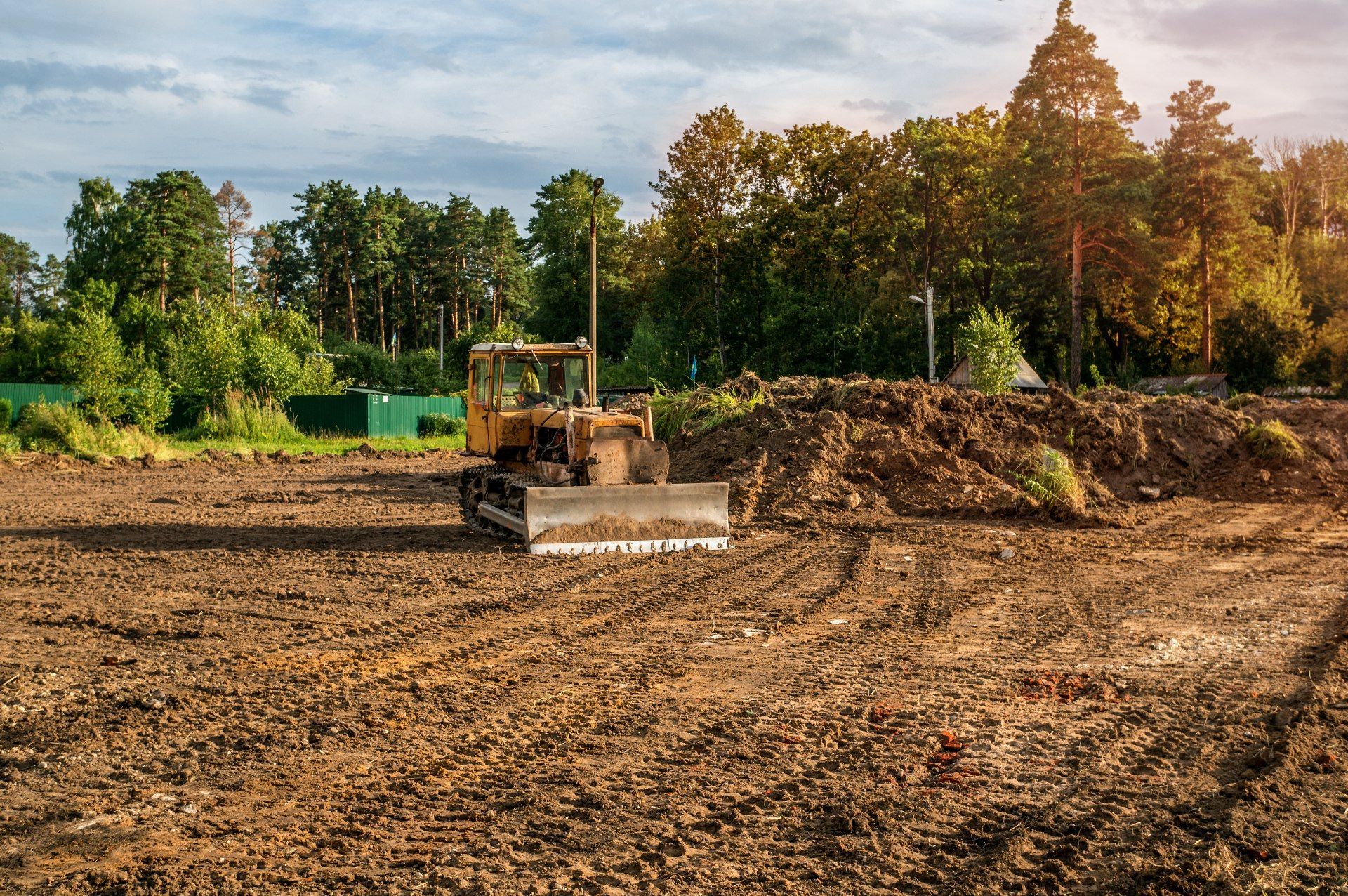
Deiblers Gap Excavating prepares raw land for construction by removing brush, grinding stumps, and clearing debris so your building site is ready for foundation work, utility installation, and driveway access. You may be planning a new home on wooded acreage, converting farm fields into buildable lots, or clearing overgrown sections of your property for barns or outbuildings. Before any grading or excavation begins, the site must be stripped of vegetation, stumps, and obstacles that prevent equipment access and create hazards during construction.
The process starts by removing standing trees, cutting back heavy brush, and grinding stumps below grade so nothing interferes with grading equipment or disrupts foundation placement. Debris is hauled off the site, and the cleared area is leveled to establish stable terrain for building pads, driveways, and utility trenches. In areas where vegetation has taken over unused farmland or wooded parcels, clearing creates the open, graded surface that builders and contractors require before foundation excavation or site layout can proceed. Proper land clearing also reduces erosion risk and ensures drainage patterns are visible and manageable during the next phase of development.
If you are developing property in Harrisburg and need land cleared before construction begins, contact Deiblers Gap Excavating to schedule an evaluation and discuss the best approach for making your site build-ready.
What Happens During Foundation and Basement Excavation
When you excavate for a new foundation or basement, the depth and grade must be cut to exact specifications so footings sit on stable, undisturbed soil and the structure rests level. Deiblers Gap Excavating uses grading equipment to dig foundation holes for residential homes, garages, agricultural buildings, and small commercial structures, removing soil in measured lifts to reach the depth specified by your builder or engineer. Each cut is checked for level and compaction, and the excavated area is shaped to allow proper drainage away from the foundation perimeter.
After excavation is complete, you will see a clean, level building pad with walls cut square to the foundation layout and soil conditions that support long-term structural stability. The site is ready for footings to be poured, and any necessary backfill or grading adjustments can be made once the foundation is cured. Deiblers Gap Excavating coordinates with builders and contractors during the early stages of construction to ensure timing and site access align with your project schedule.
Foundation excavation requires precision because even small errors in depth or grade can delay construction or require costly rework. The excavated area must drain properly, and soil must be firm enough to support the weight of the structure without settlement. If your site includes rock, clay, or variable soil conditions, additional measures such as over-excavation and compacted fill may be required to meet engineering standards and prevent future movement.
Questions About Excavation for New Construction
Property owners in Harrisburg often ask about excavation timing, soil conditions, and coordination with other trades before foundation work begins.
What does foundation excavation include?
Foundation excavation involves digging to the specified depth for footings and basement floors, removing soil in controlled lifts, and shaping the excavated area to support stable construction and proper drainage.
How deep are most residential foundation excavations?
Depth depends on your building design and frost line requirements, but most residential foundations in the region are excavated between four and eight feet below finished grade to accommodate footings and basement spaces.
When should excavation be scheduled?
Excavation should be scheduled after site clearing is complete and before concrete crews arrive, allowing time for inspection and any necessary adjustments to grade or drainage.
Why does soil type affect excavation?
Soil type determines how the excavated walls hold their shape, whether additional support or over-excavation is needed, and how water drains away from the foundation during and after construction.
What happens if rock is encountered during excavation?
If rock is encountered, excavation may require breaking or removal using specialized equipment, which can extend the timeline and require coordination with your builder to adjust the foundation design if needed.
If you are building a new home or structure in Harrisburg and need foundation excavation completed before your concrete crew arrives, call Deiblers Gap Excavating at (570) 554-5901 to discuss site conditions and schedule the work.