
Digging to Depth and Shaping Ground for Stable Structures
Foundation Excavation & Basement Digouts in Central Pennsylvania for new homes, garages, and agricultural buildings that need precise earthmoving to support footings and structural loads
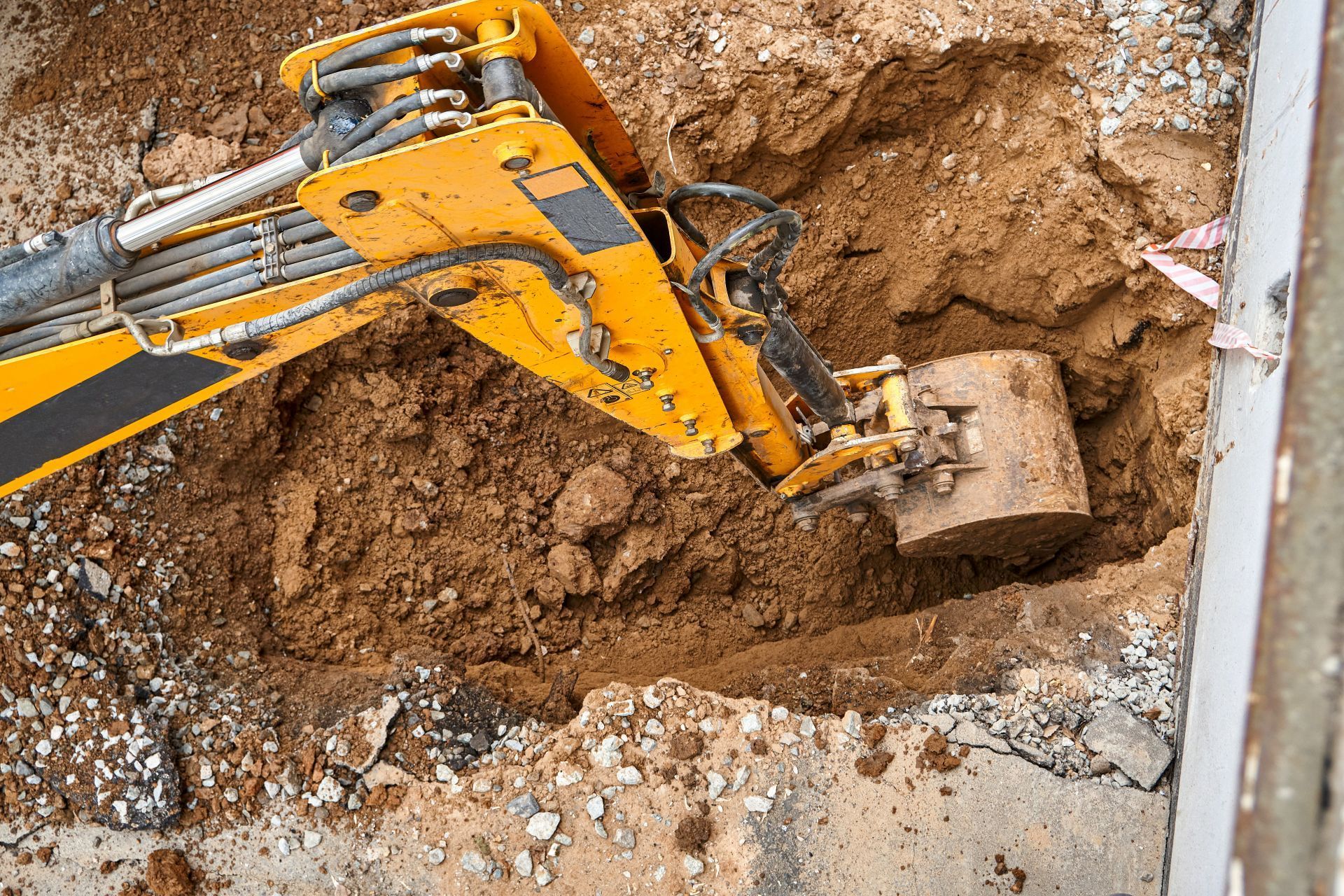
Deiblers Gap Excavating digs foundation holes and basement spaces for new residential homes, garages, and agricultural buildings by removing soil to the depth and dimensions specified by your builder or engineer, shaping the excavation walls, and preparing stable subgrade that supports footings and long-term structural loads. You may be constructing a new home on a cleared lot, adding a garage or shop building to your property, or replacing an old barn with a modern agricultural structure that requires a deeper foundation. Before concrete can be poured or footings can be placed, the ground must be excavated accurately and the soil must be firm enough to prevent settling or movement under the weight of the structure.
The excavation process involves cutting soil in measured lifts to reach the specified depth, checking the floor of the excavation for level and compaction, and shaping the perimeter walls to match the foundation layout. Soil conditions are evaluated as the excavation progresses, and any rock, clay, or unstable material is removed or addressed before foundation construction begins. Proper excavation ensures that footings sit on undisturbed soil, drainage is directed away from the foundation, and the building pad is stable enough to support the structure without shifting or cracking over time.
If you are building in Sunbury and need foundation excavation completed before your concrete crew arrives on-site, contact Deiblers Gap Excavating to review your building plans and schedule the earthmoving work.
How Foundation Excavation Affects Structural Stability
When foundation excavation is complete, you have a clean, level hole with walls cut to the correct dimensions, floor compacted and sloped for drainage, and soil conditions that meet the requirements for bearing capacity and stability. The excavation is deep enough to reach frost-protected depth and stable soil layers, and the perimeter is shaped to allow room for formwork, waterproofing, and backfill once the foundation is poured. Deiblers Gap Excavating coordinates with your builder to ensure that excavation timing aligns with delivery schedules for concrete, rebar, and foundation materials.
After the foundation is poured and cured, you will notice that the structure sits level, the basement floor drains properly, and the surrounding ground is backfilled and graded to direct water away from the foundation walls. The excavation work supports long-term stability by ensuring that the building rests on firm, undisturbed soil and that drainage systems function as designed.
Foundation excavation must account for soil type, water table depth, and the presence of rock or other obstacles that could require additional equipment or engineering adjustments. If the excavation encounters groundwater, dewatering may be required before foundation construction can proceed. If rock is present, it may need to be broken or removed to reach the specified depth, and if the soil is too soft or variable, over-excavation and replacement with compacted fill may be necessary to meet bearing requirements.
What to Know About Foundation Excavation
Homeowners and builders in Sunbury often ask about excavation depth, soil conditions, and how to schedule foundation work around weather and site access.
What is included in foundation excavation?
Foundation excavation includes digging to the specified depth, shaping the excavation walls, removing unsuitable soil, and preparing a stable base that supports footings and prevents settling or movement under structural loads.
How deep are foundation excavations in this area?
Depth depends on your building design and frost line requirements, but most residential foundations in the region are excavated between four and eight feet below finished grade to accommodate footings, basement floors, and drainage systems.
When is foundation excavation scheduled?
Foundation excavation is scheduled after site clearing and grading are complete and before concrete crews arrive, allowing time for inspection, drainage installation, and any adjustments required by your builder or engineer.
Why is soil compaction important during excavation?
Soil compaction ensures that the base of the excavation is firm enough to support the weight of the structure without settling, which can cause cracking, shifting, and long-term structural damage.
What happens if the excavation fills with water?
If the excavation fills with water due to groundwater or rain, dewatering equipment may be required to remove the water and dry the excavation before footings can be placed and concrete can be poured.
If you need foundation excavation for a new home, garage, or agricultural building in Sunbury, call Deiblers Gap Excavating at (570) 554-5901 to discuss your project and coordinate the earthmoving work with your construction schedule.