
Digging Trenches and Preparing Ground for Wastewater Systems
Septic System Excavation & Installation in Central Pennsylvania for rural properties that need septic tanks, distribution lines, and leach fields excavated and installed before occupancy
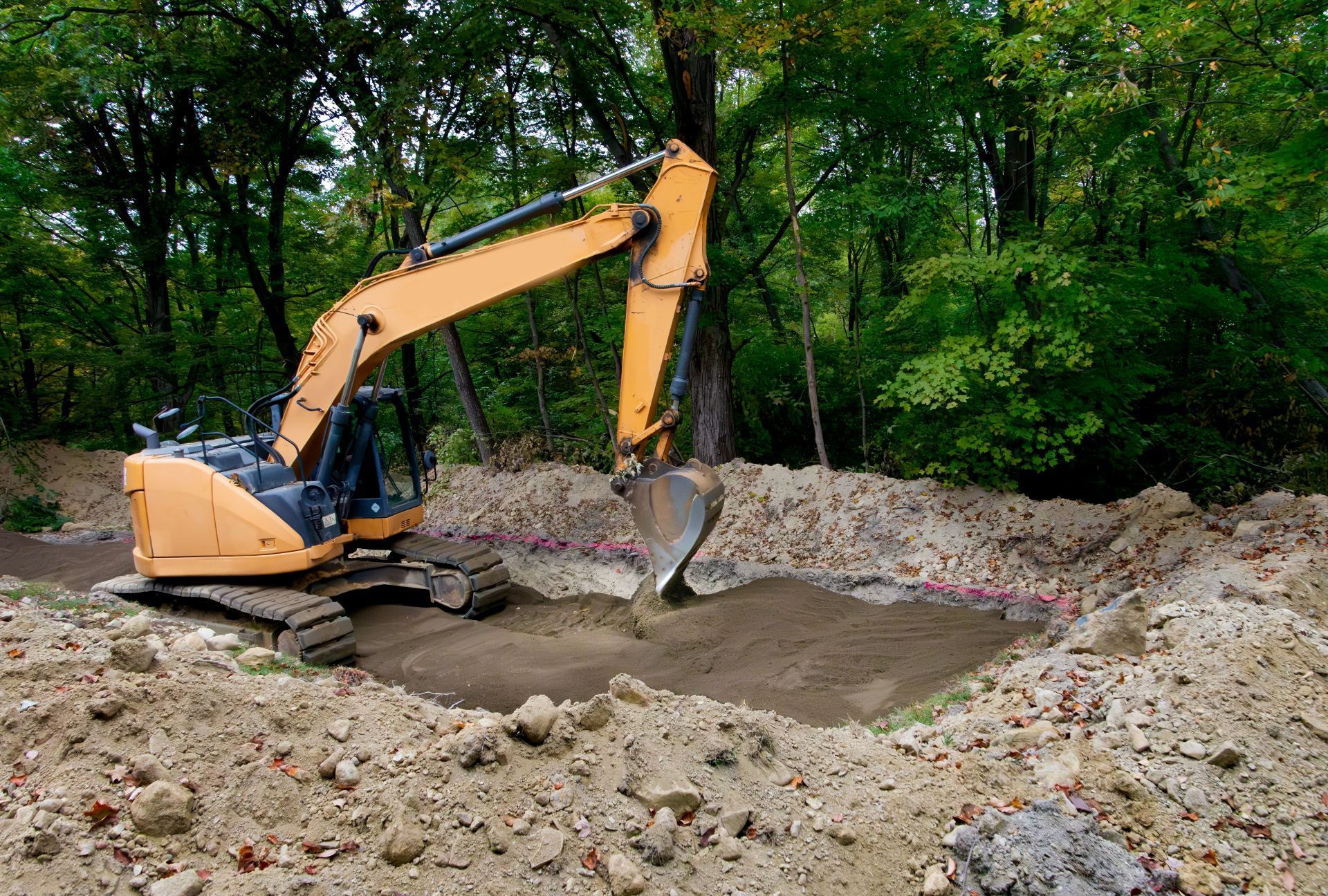
Deiblers Gap Excavating excavates for septic tanks, distribution lines, and leach field areas on rural properties where municipal sewer access is not available, removing soil to the depths and dimensions required by your system designer and preparing trenches that support proper wastewater flow and absorption. You may be building a new home on a lot without public utilities, replacing a failed septic system on an older property, or adding capacity to an existing system that no longer meets household demand. Before the septic components can be installed, the ground must be excavated carefully to avoid compaction, protect surrounding drainage, and ensure the system operates as engineered.
The excavation process involves digging the tank pit to the specified depth, cutting trenches for distribution lines at the correct slope, and shaping the leach field area to allow even wastewater dispersal into the soil. Soil conditions are evaluated during excavation to confirm that absorption rates match the system design, and any adjustments are coordinated with the installer or engineer before backfilling begins. Proper excavation protects the integrity of the system and prevents problems such as pooling effluent, clogged lines, or premature system failure caused by poor soil preparation or compacted trenches.
If you are building a new home in Lykens and need septic excavation planned as part of overall site preparation, call Deiblers Gap Excavating to coordinate timing and discuss your system layout.
How Septic Excavation Supports System Performance
When septic excavation is done correctly, the tank sits level on a stable base, distribution lines slope at the rate required for gravity flow, and the leach field trenches are wide and deep enough to handle the volume of wastewater your household generates. Excavation equipment removes soil in controlled lifts to avoid over-digging or compacting the trench bottoms, which can reduce absorption and cause the system to back up or fail inspection. Trenches are shaped to match the system design, and excavated soil is set aside for backfilling once the components are installed and inspected.
After installation is complete, you will notice that wastewater drains from your home without backups, the septic tank remains accessible for pumping and maintenance, and the leach field area drains properly without wet spots or odors. Deiblers Gap Excavating works with septic installers and system designers during installation to ensure that excavation aligns with the approved plan and meets local health department requirements.
Septic excavation must account for soil type, groundwater levels, and the distance between the leach field and wells, property lines, or surface water. If soil conditions are poor or the water table is high, additional excavation or system modifications may be required to meet absorption standards. The excavation process also includes removing rocks, roots, and debris that could damage tanks or puncture distribution lines during backfilling.
What Property Owners Ask About Septic Excavation
Homeowners in Lykens often ask about excavation depth, soil suitability, and coordination with septic installers before system components are delivered to the site.
What does septic excavation include?
Septic excavation includes digging the tank pit, cutting trenches for distribution lines, shaping the leach field area, and preparing stable bases that support proper wastewater flow and absorption without compaction or settling.
How deep are septic trenches excavated?
Trench depth depends on your system design and soil conditions, but most distribution lines are excavated between two and four feet below grade to reach absorbent soil layers and maintain gravity flow.
When should septic excavation be scheduled?
Septic excavation should be scheduled after foundation work is complete and before final grading or landscaping so the system can be installed, inspected, and backfilled without interference from other trades.
Why does soil type matter during septic excavation?
Soil type determines how quickly wastewater absorbs into the ground, whether the system needs additional treatment components, and how the leach field trenches must be sized and shaped to meet health department standards.
What happens if groundwater is encountered during excavation?
If groundwater is encountered, the system design may need to be adjusted to include a raised leach field, sand mound, or alternate absorption area that keeps wastewater above the water table.
If you are installing a new septic system in Lykens or need excavation for a replacement system, reach out to Deiblers Gap Excavating at (570) 554-5901 to review your site conditions and schedule the work.