
Building Elevated Absorption Systems on Difficult Sites
Sand Mounds & Specialized Septic Services in Central Pennsylvania for properties where soil drainage conditions prevent traditional septic systems from functioning properly
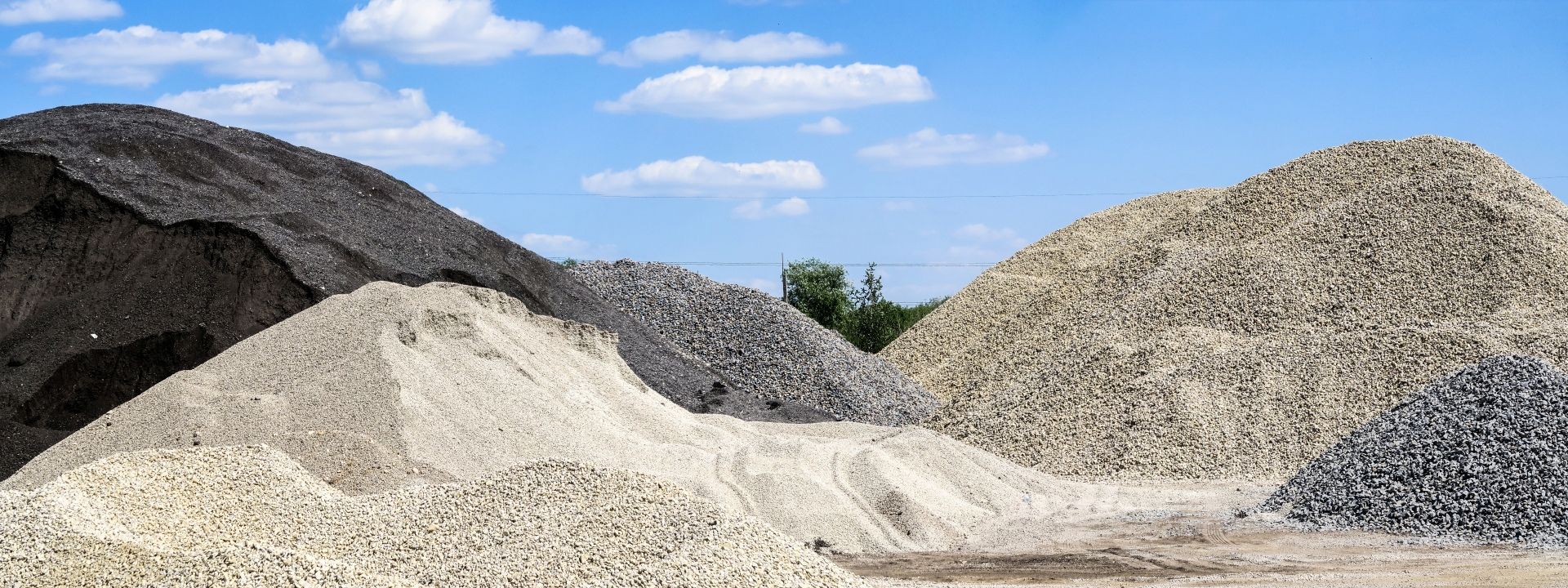
Deiblers Gap Excavating excavates and shapes sand mound systems on rural properties where soil percolation rates, shallow bedrock, or high water tables make traditional leach fields impractical or prohibited by health regulations. You may be building on a lot with clay-heavy soil that does not absorb wastewater quickly enough, replacing a failed system that no longer meets current standards, or developing property where groundwater sits close to the surface year-round. Sand mounds are elevated absorption structures built above existing grade using engineered fill, distribution piping, and layered media that treat and disperse wastewater without relying on natural soil conditions below the mound.
The excavation process involves stripping topsoil from the mound footprint, shaping the base to support the structure, and placing layers of sand, gravel, and distribution media according to the engineered design. The mound is built up in compacted lifts, and the distribution system is installed within the sand layer to ensure even wastewater flow across the absorption area. Proper excavation and grading are critical because the mound must shed surface water away from the absorption zone, remain stable over time, and maintain the elevation and slope specified by the system designer.
If you are experiencing septic system issues in Gratz or need a sand mound installed for new construction, contact Deiblers Gap Excavating to discuss excavation solutions and coordinate with your system designer.
Why Sand Mounds Require Specialized Earthmoving
When a sand mound is excavated and built, the base must be graded to exact elevations, the fill material must be placed in controlled lifts and compacted to prevent settling, and the perimeter must be shaped to direct runoff away from the mound without eroding the sides. Equipment is used to strip vegetation and unsuitable soil, place engineered sand and gravel, and shape the mound to the dimensions and slopes specified in the design plan. Each layer is compacted and checked for level before the next layer is added, and the distribution piping is positioned carefully to ensure wastewater spreads evenly through the absorption zone.
After construction is complete, you will see a raised mound with grassed or vegetated slopes, a stable shape that resists erosion, and a septic system that functions without wet spots, odors, or backups. Deiblers Gap Excavating coordinates with installers and system designers during construction to ensure that the mound meets engineering specifications and passes inspection before the system is put into service.
Sand mounds are more complex than traditional leach fields and require careful grading to maintain performance over time. The mound must be built on undisturbed soil or properly compacted fill, and the slopes must be gentle enough to prevent erosion but steep enough to shed water. If the mound is too steep, the sides may erode or slump, and if the base is not level, wastewater may flow unevenly through the absorption layer and cause system failure.
Common Questions About Sand Mound Systems
Property owners in Gratz often ask about mound construction, maintenance access, and how these systems differ from traditional septic installations.
What is a sand mound septic system?
A sand mound septic system is an elevated absorption structure built above existing grade using layers of sand, gravel, and distribution piping, designed for sites where soil or water table conditions prevent traditional leach fields from working.
How is a sand mound excavated?
The site is cleared and graded to remove topsoil and unsuitable material, then engineered fill is placed in compacted lifts to build the mound to the specified height and shape before the distribution system is installed.
When are sand mounds required?
Sand mounds are typically required when soil percolation tests show that wastewater absorption is too slow, bedrock is shallow, or the water table is too high for a conventional septic system to function safely and meet health regulations.
Why does the mound need to be graded carefully?
Careful grading ensures the mound sheds surface water without eroding, the distribution system sits level within the sand layer, and the base remains stable under the weight of the fill and the wastewater loading over time.
What happens if a sand mound fails?
If a sand mound fails due to improper construction, poor drainage, or system overload, the mound may need to be rebuilt, expanded, or replaced, which requires additional excavation and coordination with your health department and system designer.
If you need a sand mound system excavated and installed in Gratz or require repairs to an existing mound, call Deiblers Gap Excavating at (570) 554-5901 to review your site and discuss the best approach for meeting septic requirements.